Back to news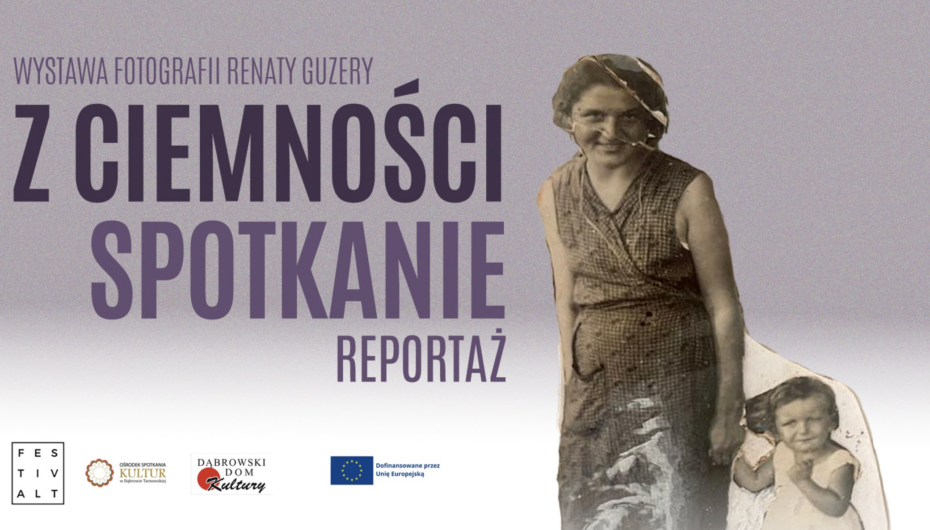
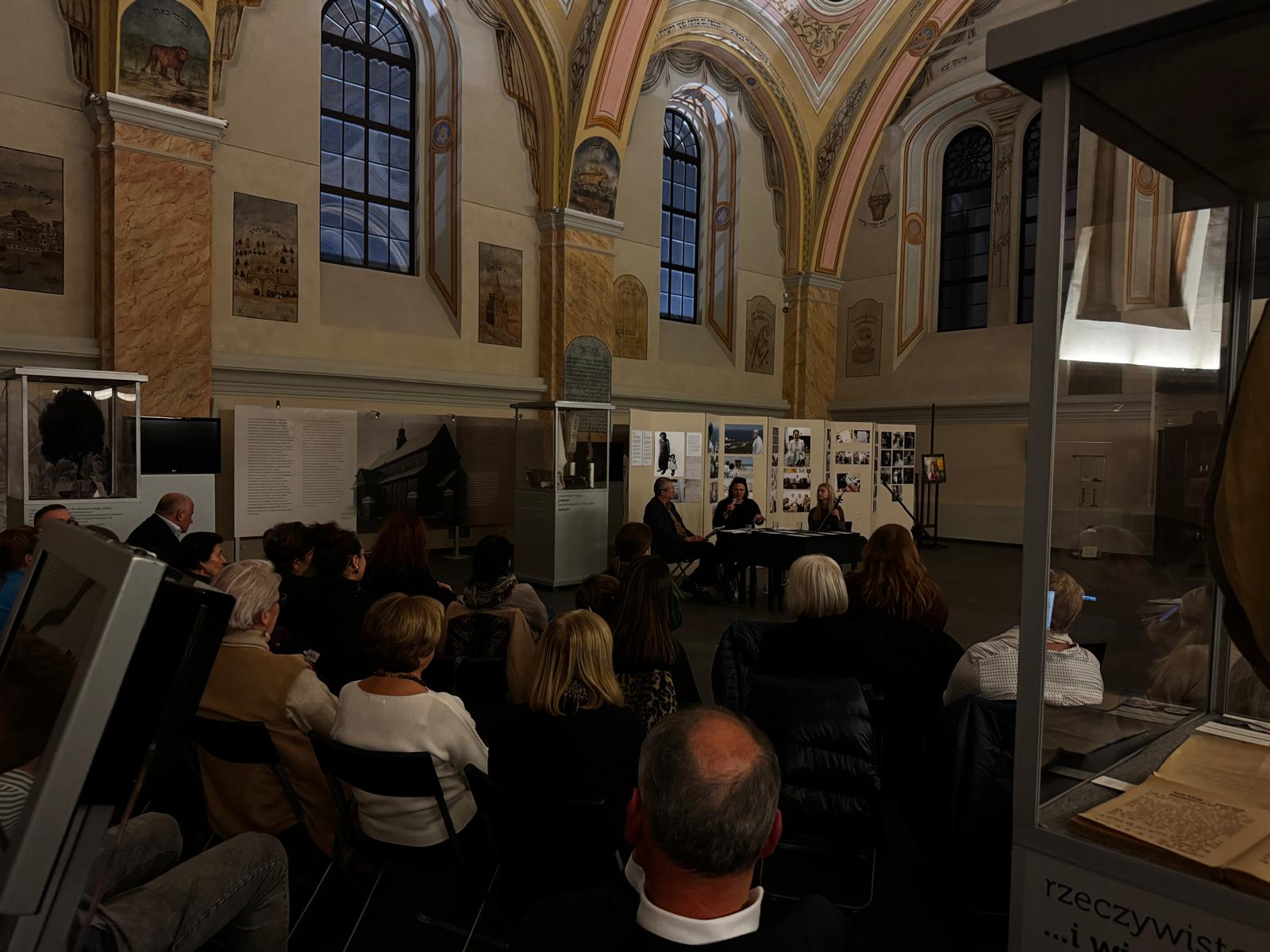
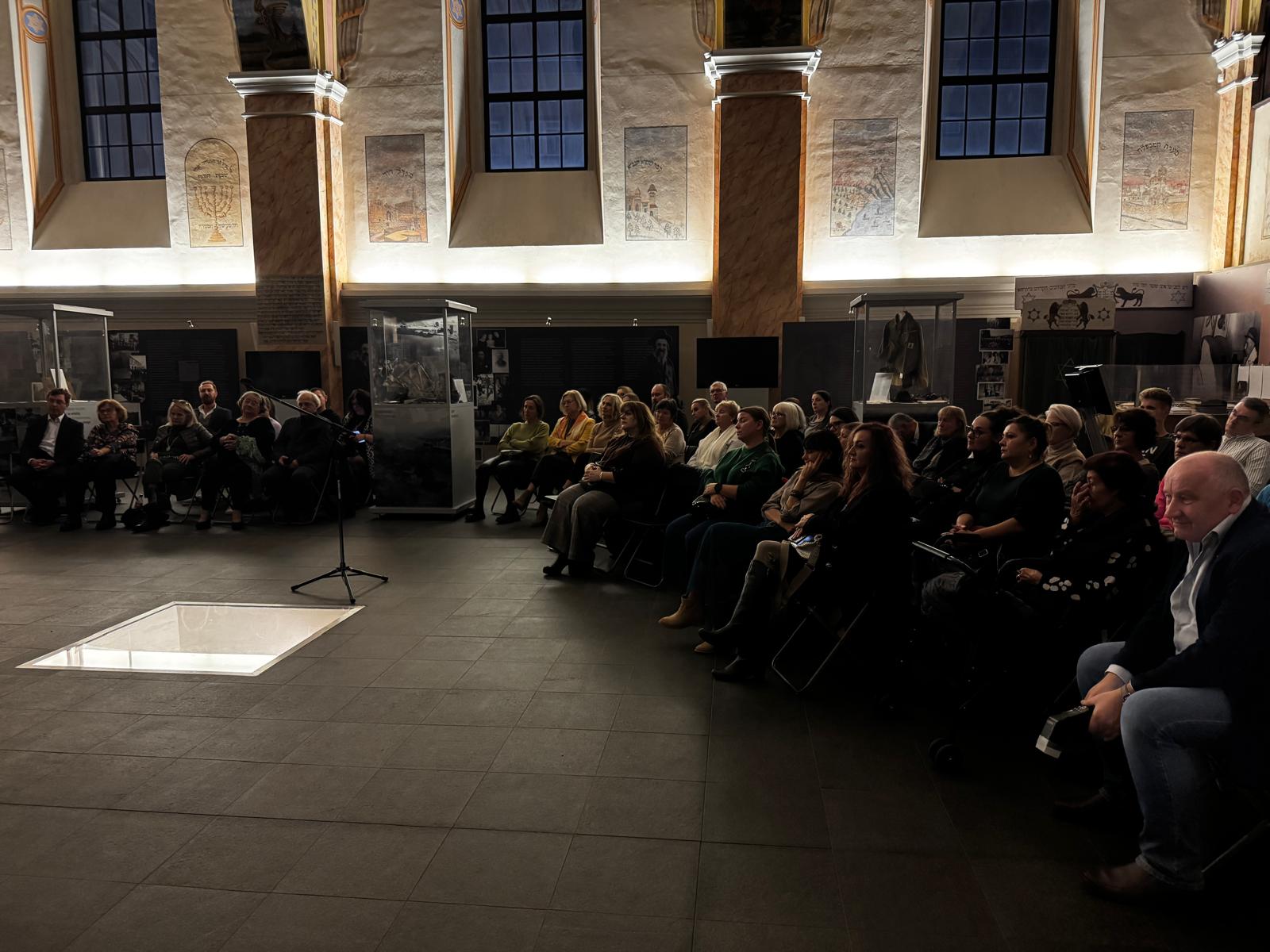
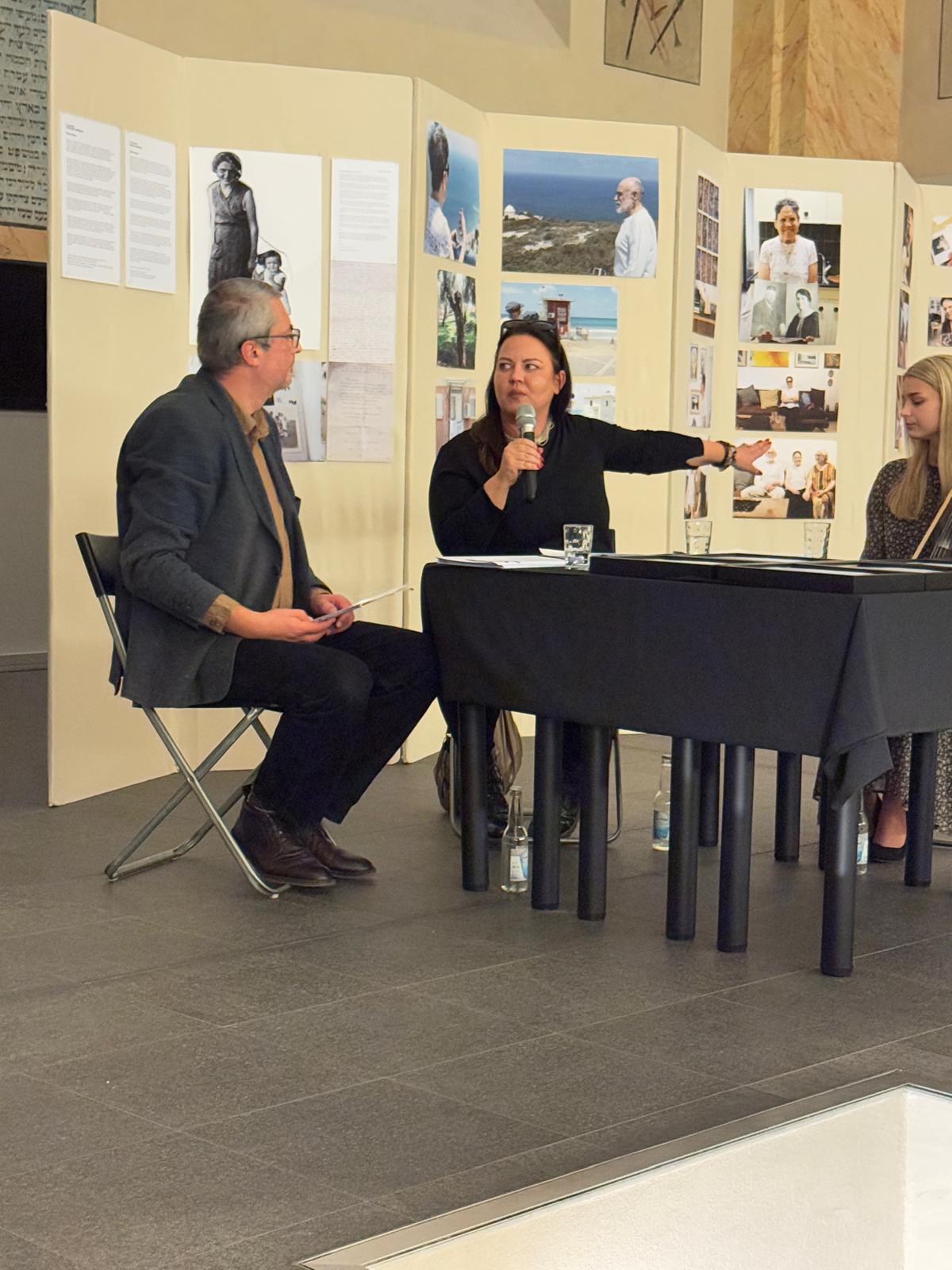
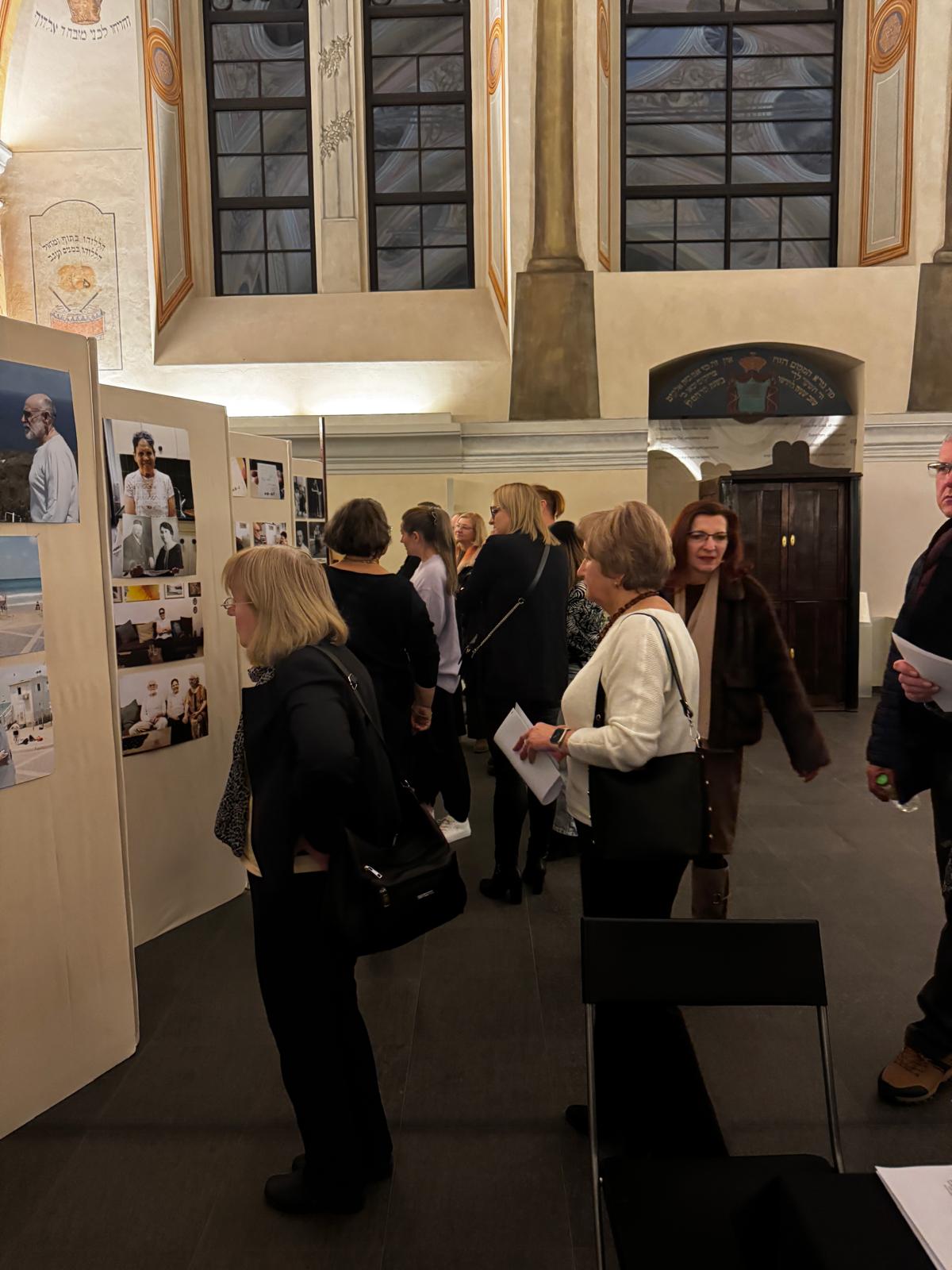
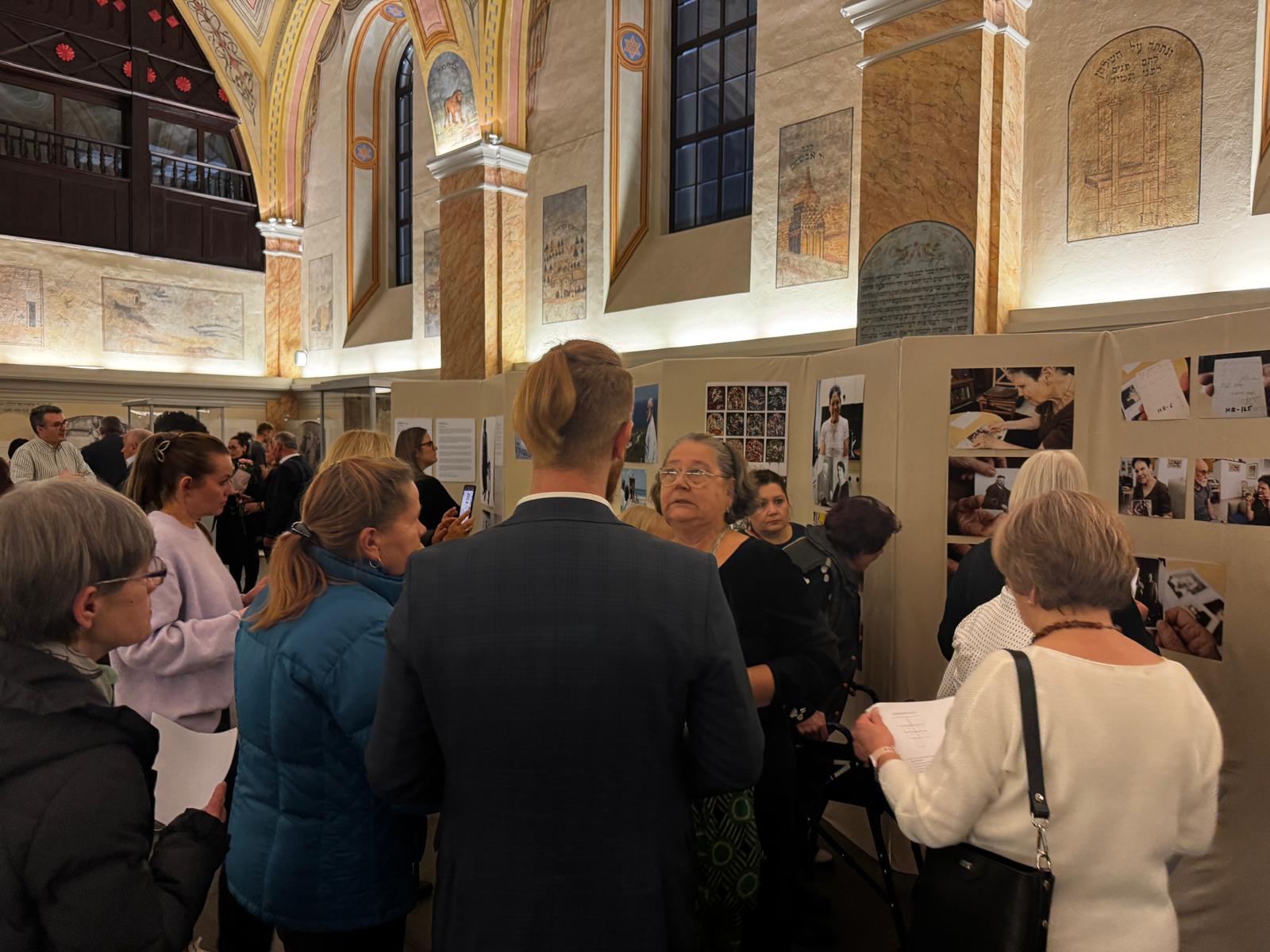
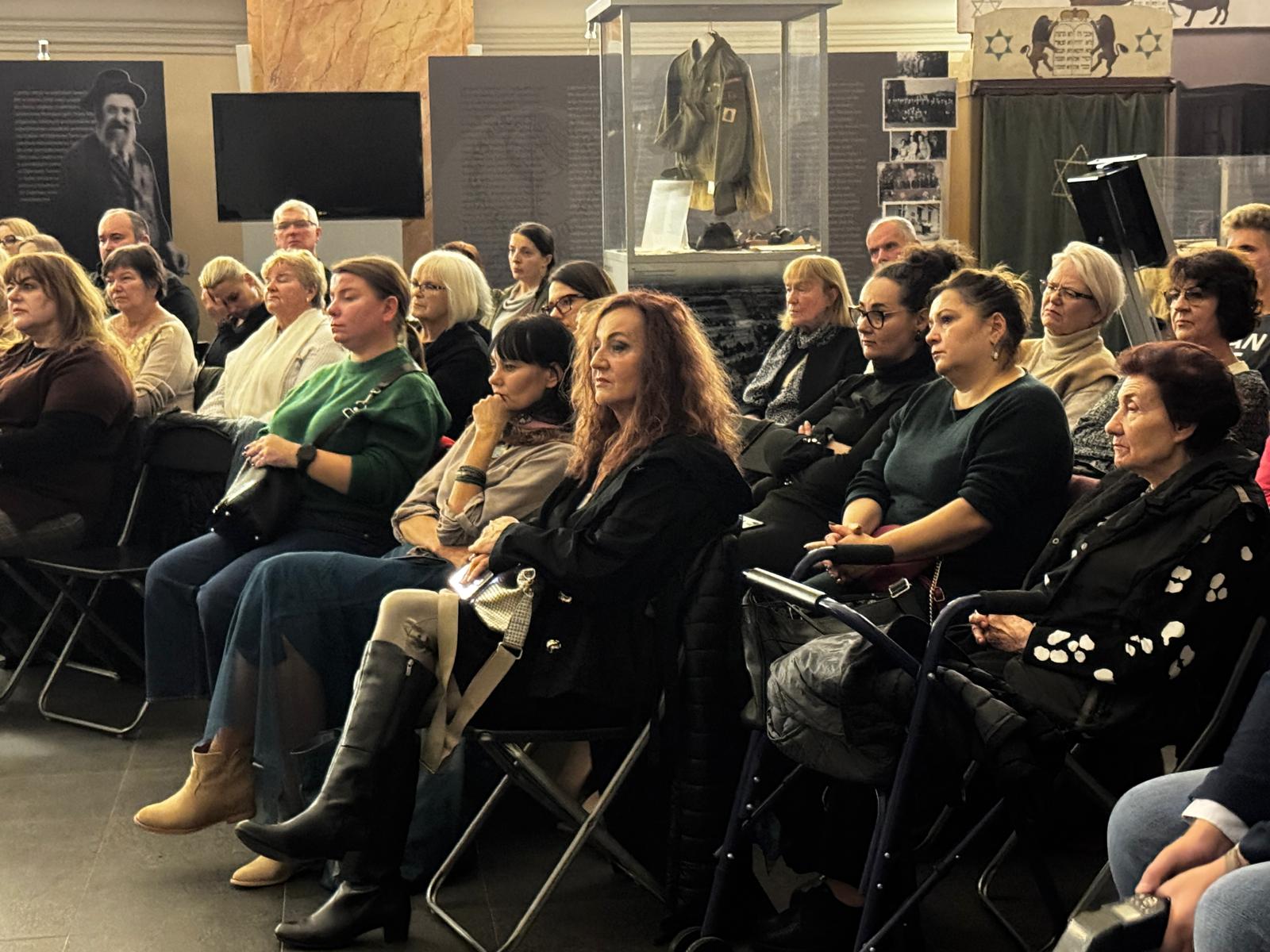
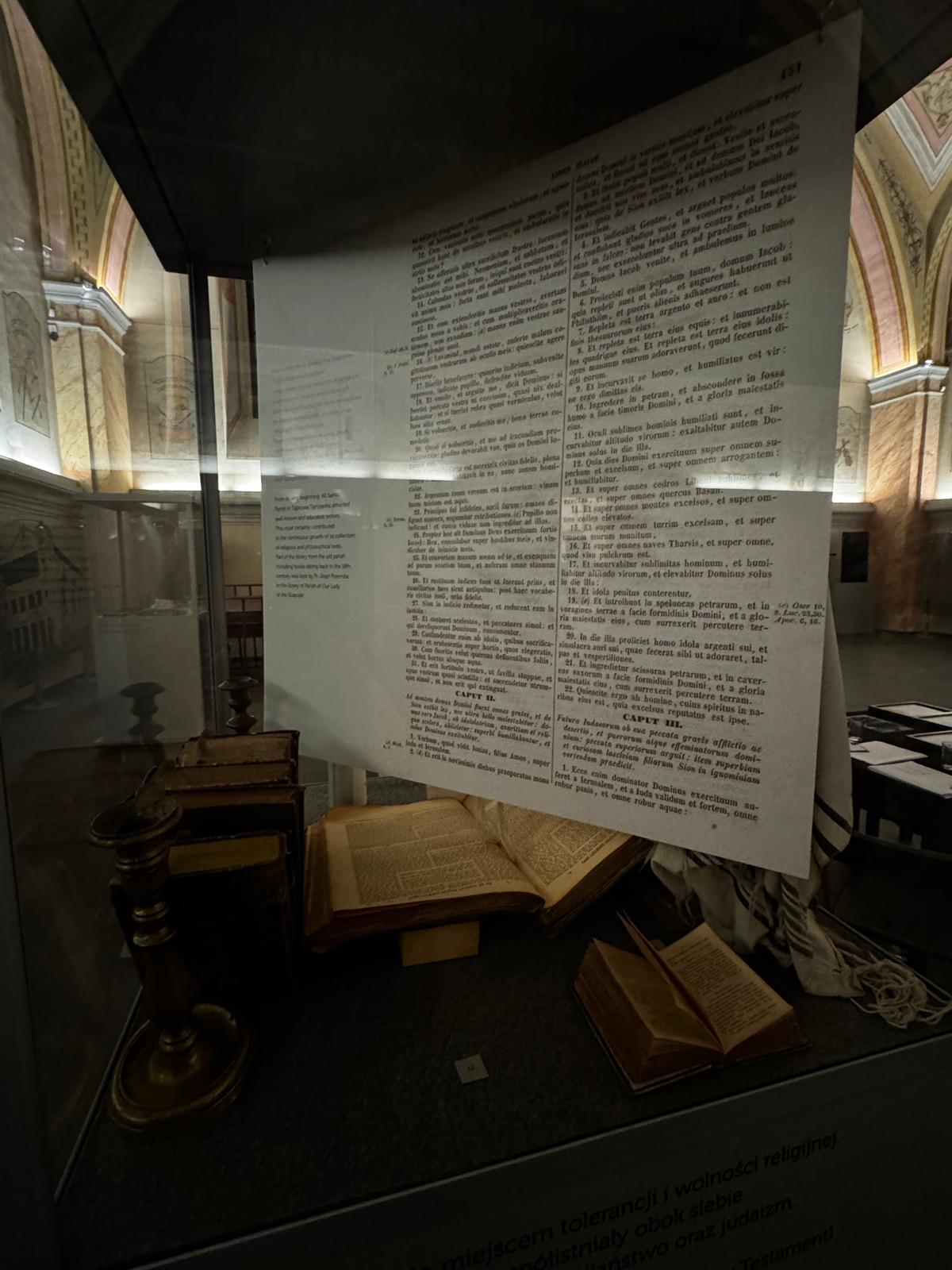
Last Friday, the Center for the Meeting of Cultures in Dąbrowa Tarnowska hosted the opening of “FROM THE DARKNESS. THE MEETING”, the newest installment of Renata Guzera’s ongoing project dedicated to the memory of Jewish families from Otfinów and the Tarnów region. The event attracted more than 70 guests, filling the room within minutes of opening.
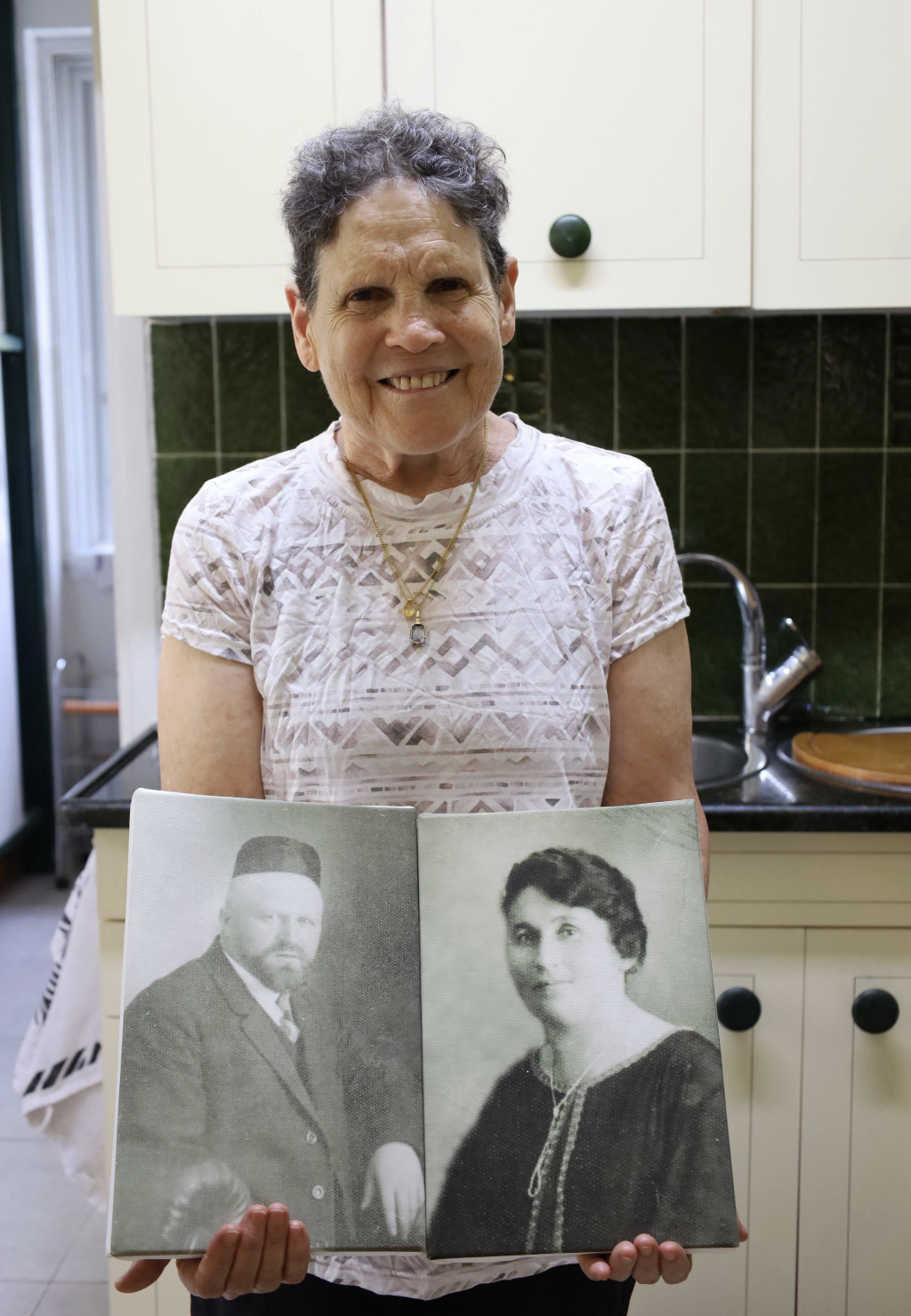
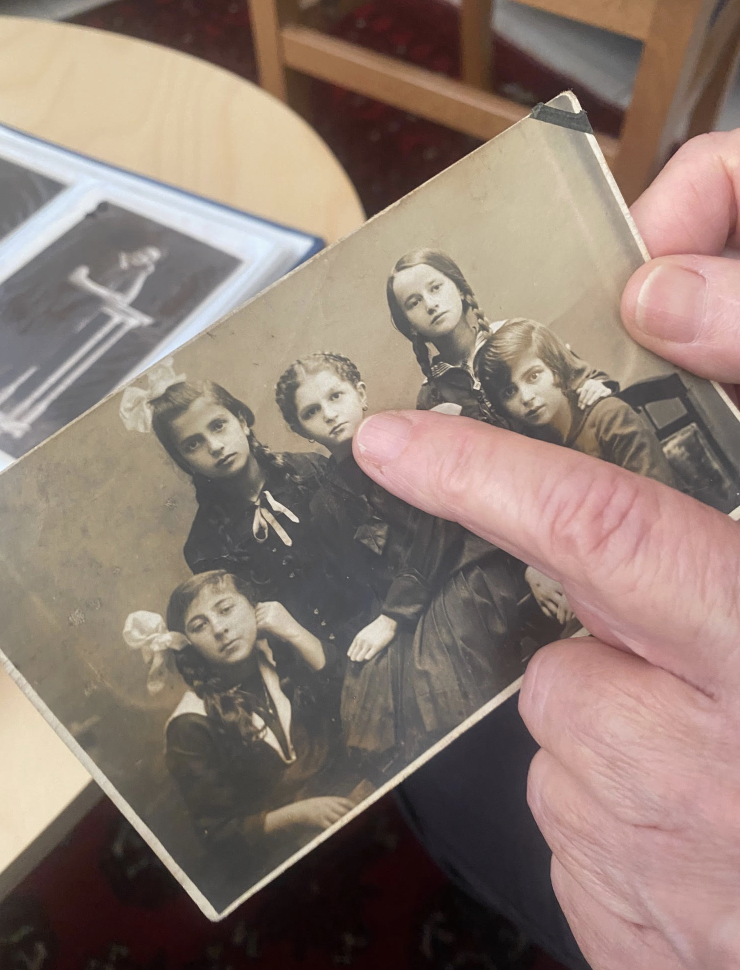
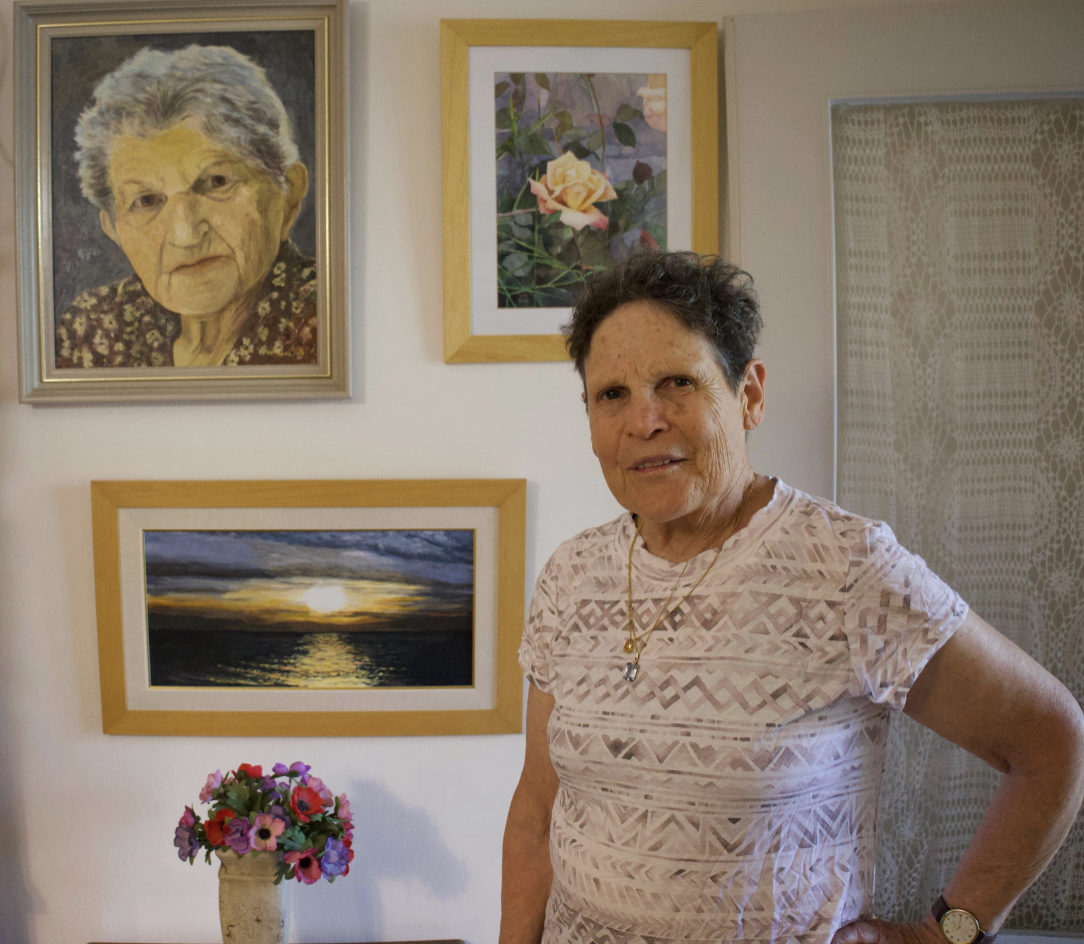
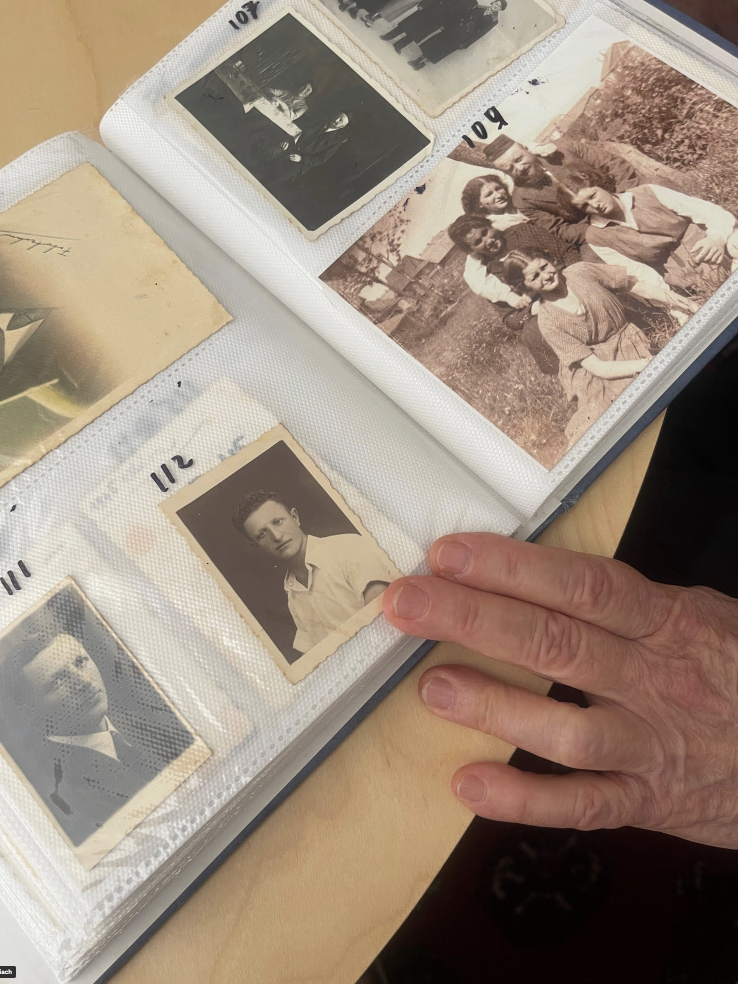
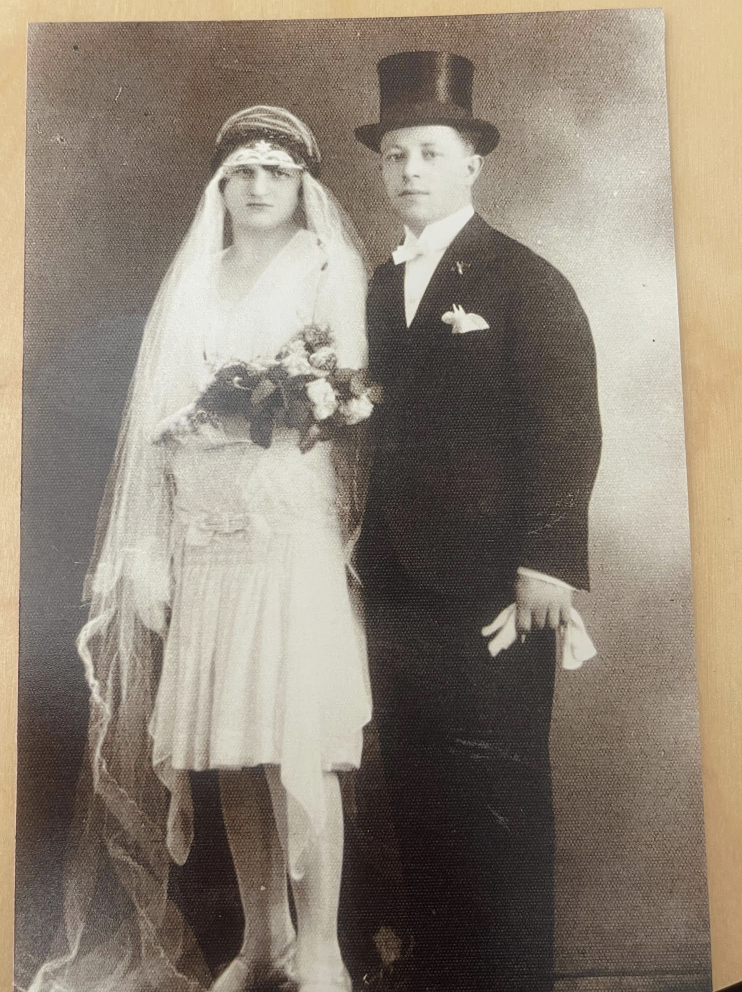
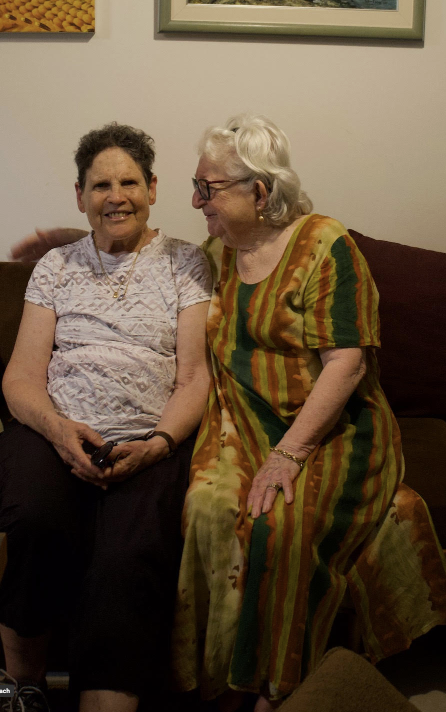
The exhibition–reportage tells the story of the artist’s profound encounter with Haya, a descendant of a family from Otfinów whose history is preserved in the archives of the Yad Vashem Institute. The project documents their conversation, the shared viewing of family photographs, and a return to a story that—though broken by tragedy—continues to connect generations.
Visitors joined us from Kraków, Rzeszów, Tarnów, Brzesko, Otfinów, Dąbrowa Tarnowska, and even Borzęcin. Their presence made the evening deeply moving and underscored the importance of creating spaces for dialogue and engagement with local memory.
The atmosphere was enriched by a beautiful violin performance by Joanna Piątek, adding an intimate musical layer to the evening.
We extend our warmest thanks to Paweł Chojnowski, Director of the Center for the Meeting of Cultures, for his thoughtful care, organizational support, and attention to every detail. We were also honored by the presence of Krzysztof Kaczmarski, Mayor of Dąbrowa Tarnowska, and Kamil Nowak, Village Head of Otfinów. Their support and attendance were greatly appreciated.
.
The exhibition will remain open until Spring 2026 | MORE INFO ABOUT THE PROJECT BELOW |
ABOUT THE PROJECT
— a documentary journey of memory, connection, and intergenerational dialogue
“From the Darkness. The Meeting” continues the earlier project “From the Darkness – the archive and contemporary times. Aspects of memory”, which explored the history of Jewish families from Otfinów and the surrounding region.
In June 2025, Renata Guzera traveled to Israel to locate people whose names appear in testimonies stored in Yad Vashem. In Haifa, she met Haya, the granddaughter and great-granddaughter of individuals originating from Otfinów who settled in Tarnów before the war. Haya submitted testimony to Yad Vashem about her ancestors, sharing both the story of their pre-war life and the tragic fate that befell the family during the Holocaust.
The meeting was filled with emotion. Upon seeing the artist—who comes from the same town as her ancestors—Haya said she felt as if she were encountering “a ghost from the past.” She opened her family album, shared documents and stories passed down for generations, and revealed an intimate world shaped by memory and loss.
As the two women viewed photographs of Haya’s ancestors and images of contemporary Otfinów, they both felt the sense of a historical circle closing — separate life paths converging in one moment through the shared commitment to remembrance and the need to give voice to those who are no longer here.
The visit took place just as tensions were rising between Israel and Iran, and during this time, the artist found safe shelter with a Yad Vashem archivist who welcomed her into her home. This experience added another dimension to the project — highlighting that memory lives not only in archives, but also in acts of human solidarity.
“From the Darkness. The Meeting” is therefore both a visual and documentary reportage — a story of two women connected by place, memory, and a desire to preserve traces of those who perished. It speaks to the dialogue between descendants of victims and witnesses, the coexistence of perspectives, and the ongoing search for a shared language of memory.
The first version of the exhibition was created at the Academy of Fine Arts in Kraków, Faculty of Graphic Arts, Photography Studio I, under the supervision of Dr. Hab. Prof. Agata Pankiewicz.


This event is part of the project “ReActMem: Rescue Memory – Activism, Art and Public Memory,” co-funded by the European Union under the Citizens, Equality, Rights and Values (CERV 2024–2026) programme.
The views and opinions expressed in this document are those of the author(s) only and do not necessarily reflect those of the European Union. The European Union cannot be held responsible for them.