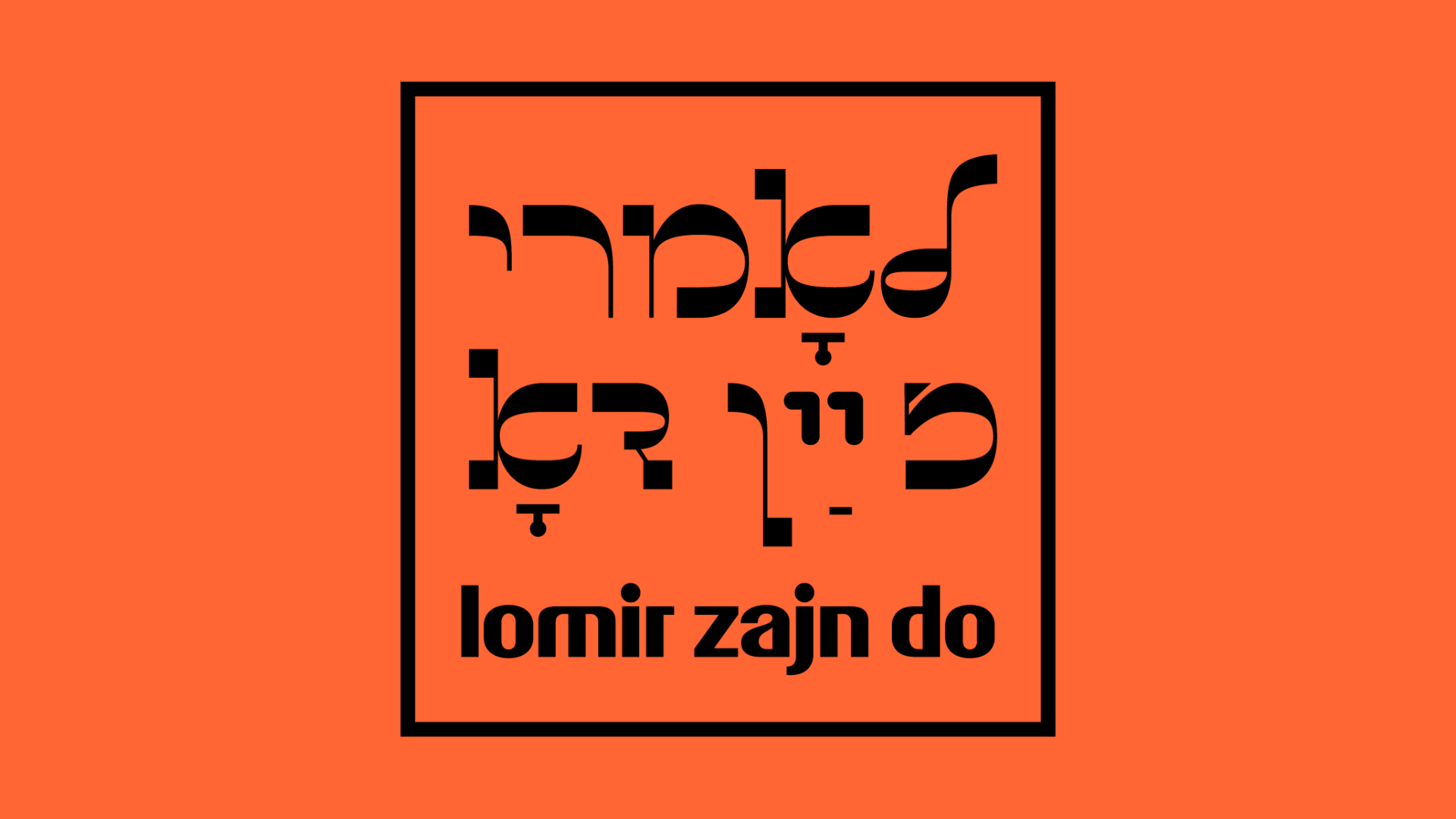
The project’s title, Lomir zajn do—meaning “let’s be here” in Yiddish—refers to the song Mir Zajnen do (We Are Here). It highlights the idea of bringing Yiddish back into Kraków’s contemporary cultural sphere, a city that was one of the key centres of Jewish life before the Second World War.
We want to present Yiddish as a living, contemporary, and inclusive language, through direct engagement with its contemporary speakers and users, participatory forms of practice, a free digital publication, and a short video.
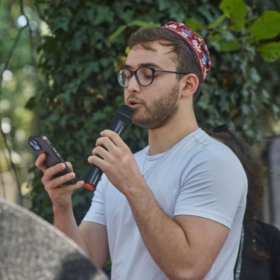
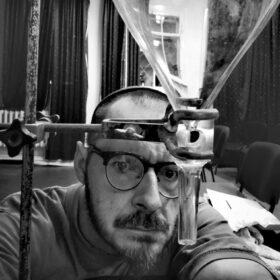
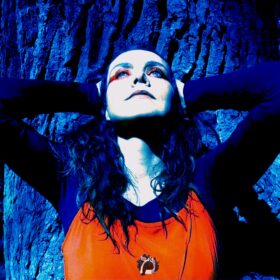
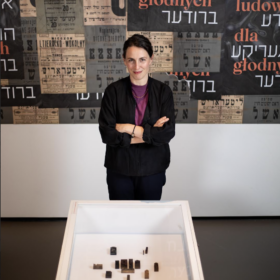
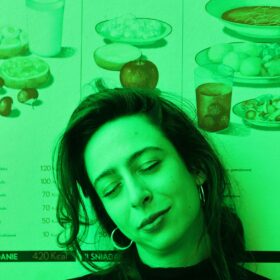
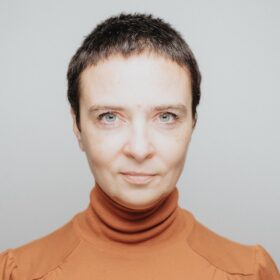
During the project, a series of thematic events will take place, focusing on the following contexts: visual arts and language as a vehicle for memory and cultural transgression (Jakub Skrzypczak and Zach Mojsze); Yiddish lettering and its visual forms (Zofia Janina Borysiewicz); music and songwriting (Maria Ka); and text analysis in the form of a secular chevruta (Patrycja Dołowy and Natalia Chmielarz).
The people invited to participate in the project as experts represent different generations, fields of activity, and perspectives. What connects them, among other things, is their everyday engagement with the Yiddish language—in creative practices, activism, artistic, educational, and social activities.
The substantive and educational foundation of our activities is provided by the network of Jewish artists, Kultur-Lige, which we co-organise together with the Zapomniane Foundation and the POLIN Museum of the History of Polish Jews.
Funding
This activity is made possible through funding from the Minister of Culture and National Heritage as part of the “Linguistic Diversity” grant programme of the Institute of Linguistic Diversity of the Republic of Poland.